Moroccan Couscous Cooking Class
Learn the traditional way to steam and prepare Moroccan couscous by hand, Morocco's classic Friday family dish.
3.5 hours
2-12 people
From
View Details
€45
How to make traditional Moroccan couscous the proper way — hand-steamed in stages over a seven-vegetable stew.
Prep
30 minutes
Cook
1 hour 30 minutes
Servings
6
Difficulty
Advanced
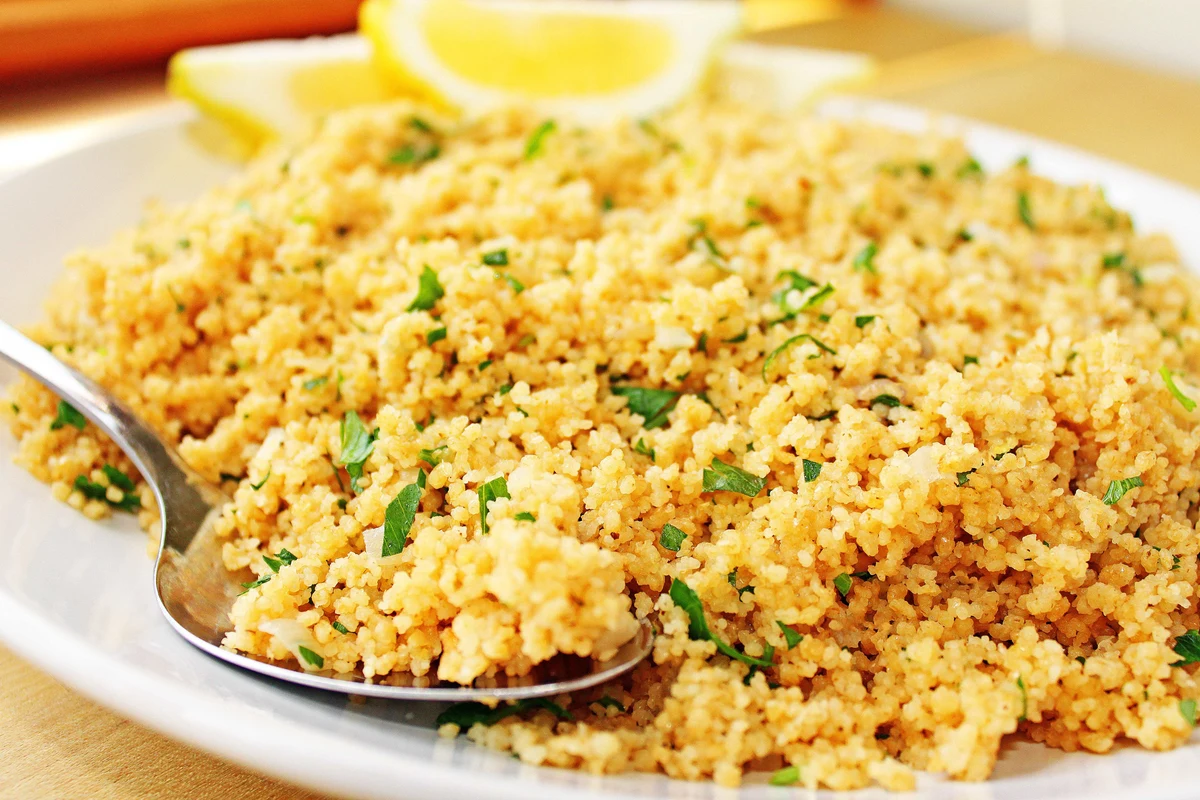
Traditional Moroccan couscous bears little resemblance to the five-minute version sold abroad. The semolina grain is hand-rolled, hydrated in stages, and steamed two or three times over a simmering vegetable stew — a process that takes real time but produces a noticeably lighter, fluffier result than any quick-soak method.
This is the dish most closely tied to Friday in Moroccan households, traditionally eaten as a shared family meal after Friday prayers, though it’s served throughout the week in many restaurants today. The “seven vegetables” reference isn’t always literal — the specific mix varies by season and household — but the format of a mounded grain platter topped with meat and vegetables, with broth served alongside, stays consistent.
It’s a more involved recipe than most Moroccan dishes, and one that benefits from being cooked with company — the multiple steaming and fluffing stages give natural pauses to talk, taste, and adjust seasoning together.
Spread the couscous in a wide, flat dish. Sprinkle with a little water and 1 tbsp olive oil, then rub the grains between your palms to separate them. Let it rest for 10 minutes.
In the base of a couscoussier (or a large pot with a steamer insert), heat the olive oil and brown the meat, if using. Add the onion and cook until softened.
Stir in the ginger, turmeric, saffron, salt and pepper. Add the water or stock and bring to a simmer.
Add the carrots, turnips and pumpkin — the longer-cooking vegetables — and simmer for 20 minutes.
Fit the steamer basket with the couscous over the simmering stew (without a lid on the couscous side) and steam for 15-20 minutes, letting the flavored steam rise through the grain.
Tip the couscous back into the wide dish, sprinkle with a little water, and rub through the grains again to separate them, breaking up any clumps.
Meanwhile, add the zucchini, celery, chickpeas and cabbage to the stew and simmer for a further 15-20 minutes until all vegetables are tender.
Steam the couscous a second time over the stew for a final 10-15 minutes.
Tip the couscous out, fluff with butter or smen if using, and mound onto a large serving platter.
Make a well in the center and arrange the meat and vegetables on top. Ladle over some of the cooking broth and serve the rest on the side.
Yes, though the texture will be noticeably different. Instant couscous just needs to be soaked in an equal volume of hot liquid and fluffed with a fork — quicker, but without the light, steamed texture of the traditional method.
Each steaming stage lets the grain absorb flavor from the stew below while drying slightly between rounds, which is what produces the light, separate-grained texture. Steaming it only once tends to leave the couscous heavier and less evenly cooked.
Learn the traditional way to steam and prepare Moroccan couscous by hand, Morocco's classic Friday family dish.
€45